

Ishtiyaq Kar
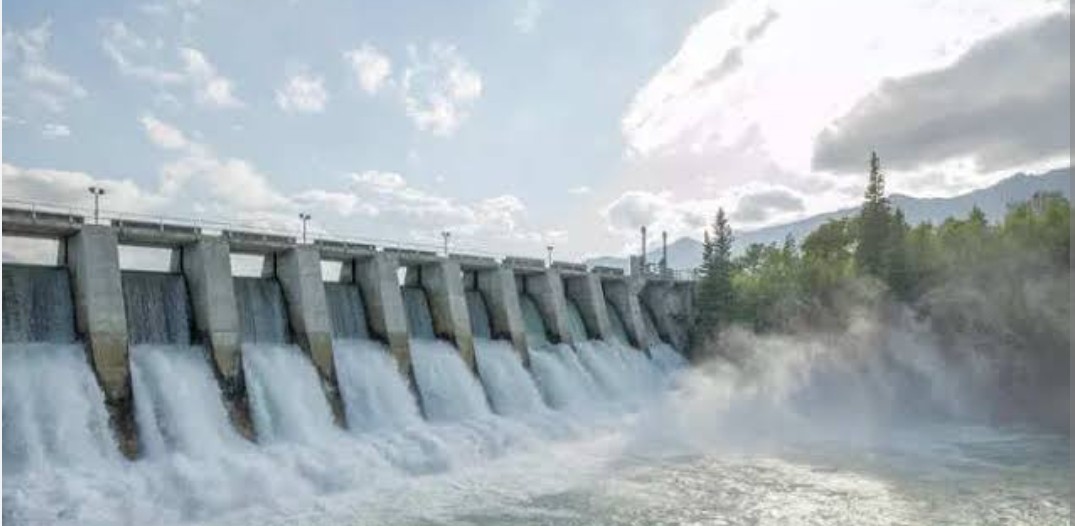
Srinagar, Dec 02 (KINS): Hydroelectric power generation in Kashmir has plunged to a record low, as reduced river flows during winter have severely impacted electricity production.
This has left residents grappling with erratic power supply amid freezing temperatures.
Hydroelectric projects, which account for over 90% of Kashmir’s electricity generation, are heavily dependent on river water.
According to data from the Jammu & Kashmir Power Development Department (JKPDD), the generation capacity of major hydropower plants, including the Baglihar and Kishanganga projects, has plummeted during winter months.
“This is due to decreased water flow in rivers like the Jhelum, Chenab, and their tributaries, many of which freeze or shrink as temperatures drop,” an official told news agency KINS.
The water level in J&K river is lowest in the past few decades causing immense issues for the PDD to manage power supply. There is no alternative other than to go for long power cuts.
“During summer, these projects like Baghlihar nd Kishenganga operate at near-full capacity due to abundant glacial melt water, but winter is a completely different story,” said, an energy policy expert at the University of Kashmir.
“For example, the 450 MW Baglihar plant often struggles to produce even half of its capacity during peak winter.”
Rivers like Jhelum and Chenab experience a 50-70% reduction in flow during winter, directly affecting hydropower output.
“Most hydropower projects in Kashmir are run-of-the-river systems with no significant reservoirs to store water for consistent year-round power generation,” an expert said.
“The region is witnessing altered snowfall and glacial melt patterns, further disrupting water availability”
A senior engineer at PDD, said: “We produce nearly 2,500 MW of power during summer, but this drops below 1,000 MW in winter. As a result, we have to import electricity, which the aging transmission infrastructure struggles to handle.”
He said the reduced output has coincided with soaring demand, which peaks at around 2,800 MW to 3000 MWs in winter, while local supply dwindles to less than 1,000 MW.
“The shortfall has led to widespread power cuts, with urban areas receiving only 5 to 6 hours of electricity a day and rural regions facing even harsher schedules,” he said, adding that the “The gap between demand and supply increases every year.”
Experts suggest a mix of immediate and long-term measures to overcome shortcomings.
“Kashmir has untapped potential in solar and wind energy, which could complement hydropower during winter. Grid Infrastructure: Upgrading transmission lines to import electricity efficiently from other regions needs to be done. Building reservoirs for water storage to stabilize year-round hydropower generation is the need of the hour,” an expert said.
The erratic power supply is taking a serious toll on residents across the Valley.
For Saba Khan, a business vendor in Baramulla, the power cuts are unbearable.
“The government needs to act now. We can’t live like this every winter.” (KINS)
