

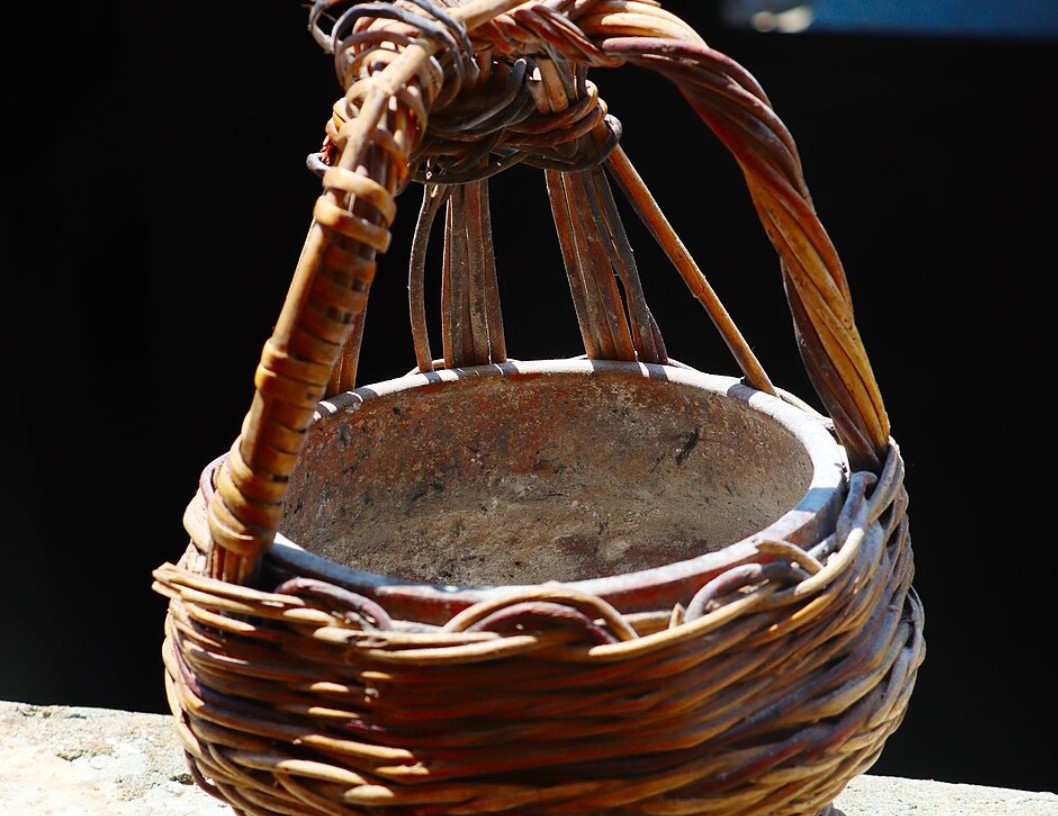
By: Aatifa
Srinagar, November 03 (KINS): Doctors in Kashmir have cautioned people against prolonged and direct use of Kangri during winter, warning that continuous exposure to heat can cause serious skin damage and may eventually lead to cancer.
According to studies published in the Indian Journal of Dermatology by doctors from SMHS Hospital and Government Medical College Srinagar, led by Dr Iffat Hassan, prolonged exposure to Kangri heat can cause a skin condition known as Erythema Ab Igne. It is characterised by a net-like pattern of dark brown or blackish pigmentation on the skin.
Doctors warn that if left untreated, the condition may progress to Bowen’s disease and, in some cases, Squamous Cell Carcinoma, commonly known as Kangri Cancer.
Doctors warn that if left untreated, the condition may progress to Bowen’s disease and, in some cases, Squamous Cell Carcinoma, commonly known as Kangri Cancer.
The studies point out that prolonged heat exposure is the main cause of skin damage, while wood ash, smoke and other substances released by burning chinar leaves may further aggravate the condition.
The lower abdomen and inner thighs are among the most commonly affected areas, as people often keep Kangris in close contact with their bodies for five to six hours daily during winter.
A 2009 study by Dr Mohmad Ashraf Teli and his team also reported that Kangri Cancer can be aggressive, with a risk of spread to nearby lymph nodes and surrounding regions in 30 to 50 per cent of cases.
The condition was first documented by Dr William Jackson Elmslie in 1866 and later reported by Dr Theodore Maxwell in 1879.
Doctors have advised people to avoid direct contact between the Kangri and skin, use a protective cloth barrier and limit exposure to heat. They have also stressed the importance of seeking medical advice if persistent skin marks, itching, unusual growths or non-healing lesions appear.
(KINS)
